Aerospace and Defence
Agile hardware decisions for modern defence and aerospace programs
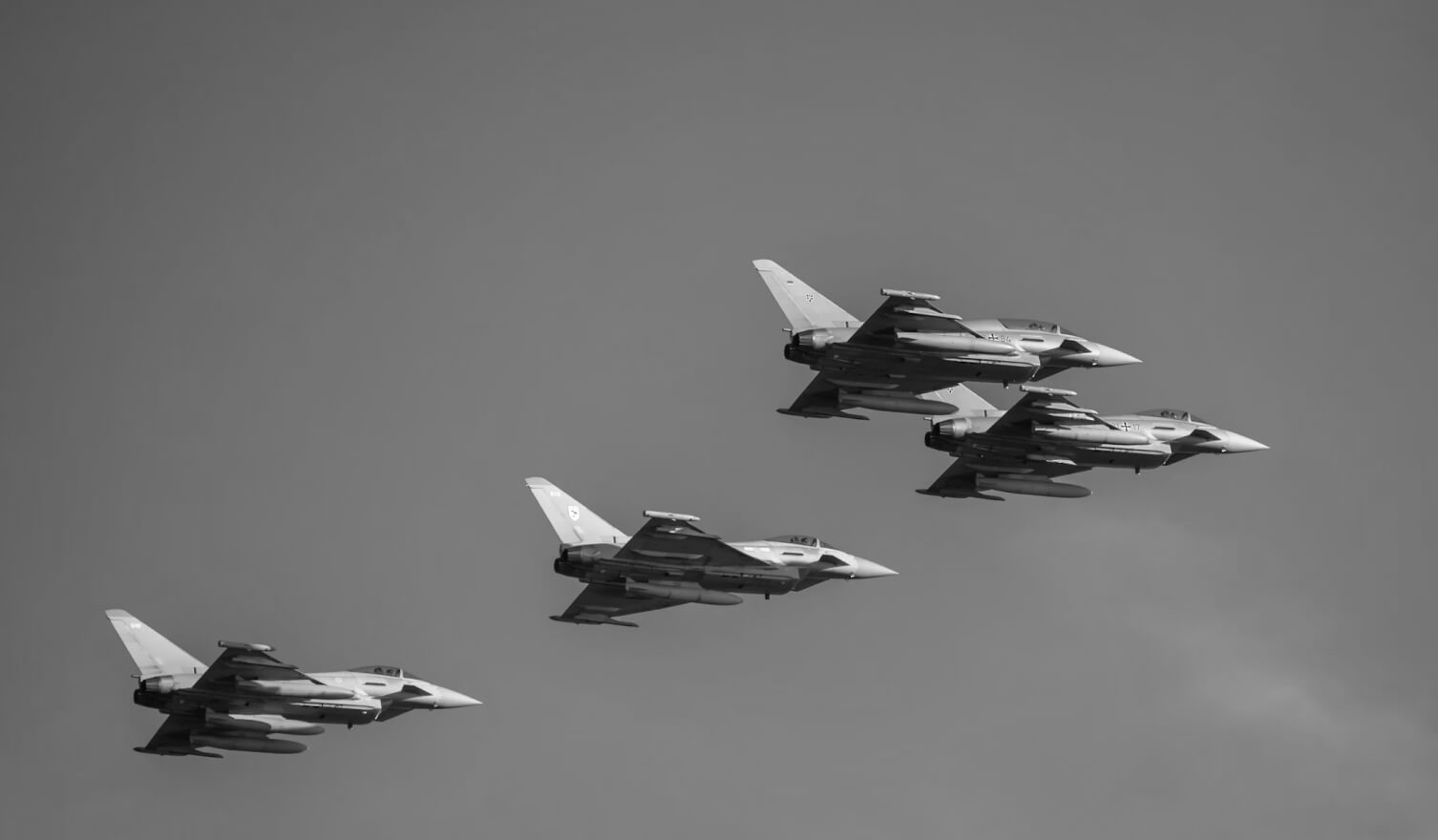
Defence and aerospace development is changing — faster program cycles, tighter budgets, and a push toward commercial off-the-shelf components. Embedd gives engineering teams the ability to adopt, swap, and qualify hardware without the BSP becoming the bottleneck.
Why Aerospace & Defence Teams Use Embedd
The industry is moving toward COTS — and COTS means managing hardware variability. The shift from custom, mil-spec components to commercial off-the-shelf parts brings cost and availability advantages, but introduces a new problem: COTS parts change. Suppliers discontinue, revise, or restrict availability. When your BSP is hand-written for a specific part, every swap is a re-development effort. Embedd's Digital Twin approach means a part swap is a model update and regeneration — not a rewrite.
Program timelines are compressing. Defence procurement is moving away from decade-long development cycles. Rapid prototyping, spiral development, and accelerated fielding demand software that keeps pace with hardware decisions. When BSP development takes months, it constrains how fast the platform can evolve. Embedd compresses BSP delivery to days, keeping the software layer responsive to hardware changes throughout the program.
Supply chain independence requires hardware flexibility at the software layer. Dependence on a single silicon vendor is a strategic risk. But qualifying a second source means developing and maintaining a second BSP — doubling the effort and cost. Embedd generates drivers for multiple hardware targets from the same methodology. Second-sourcing becomes economically viable because the BSP cost of supporting an alternative part drops by 70–85%.
Safe and predictable change management. Swapping components in safety-critical systems demands traceability and controlled change processes. Embedd's deterministic generation produces identical output from identical input — every time. When a part changes, the impact is isolated to the Digital Twin model update. Every generated line traces back to the hardware specification, giving certification and qualification teams a clear evidence trail from requirement to code.
Long-lifecycle platforms need maintainable BSPs. When a platform is in service for decades, the original engineers won't be there. Hand-written drivers become institutional risk — knowledge buried in code that nobody fully understands. Embedd captures hardware knowledge in the Digital Twin model. Any qualified engineer can regenerate, maintain, and update — the understanding lives in the model, not in one person's head.
Relevant Use Cases
BSP Migration — swap components for supply chain resilience or cost reduction with minimal re-qualification effort
New E/E Architecture Evaluation — evaluate COTS alternatives with working BSPs, not just datasheets
New Product BSP — accelerate platform development to meet compressed timelines
Legacy Hardware Modernisation — bring decades-old driver code up to current standards without introducing risk
Hardware Abstraction Standardisation — consistent driver architecture across platform variants and second sources
Aerospace & Defence-Specific Capabilities
Deterministic, repeatable code generation supporting controlled change management
Full traceability from hardware specification to generated code
MISRA-C compliant output
Multi-vendor MCU support — enabling second-source strategies without doubling BSP effort
Long-lifecycle Digital Twin models that persist across program phases and platform updates