Automotive
BSP development for the software-defined vehicle era
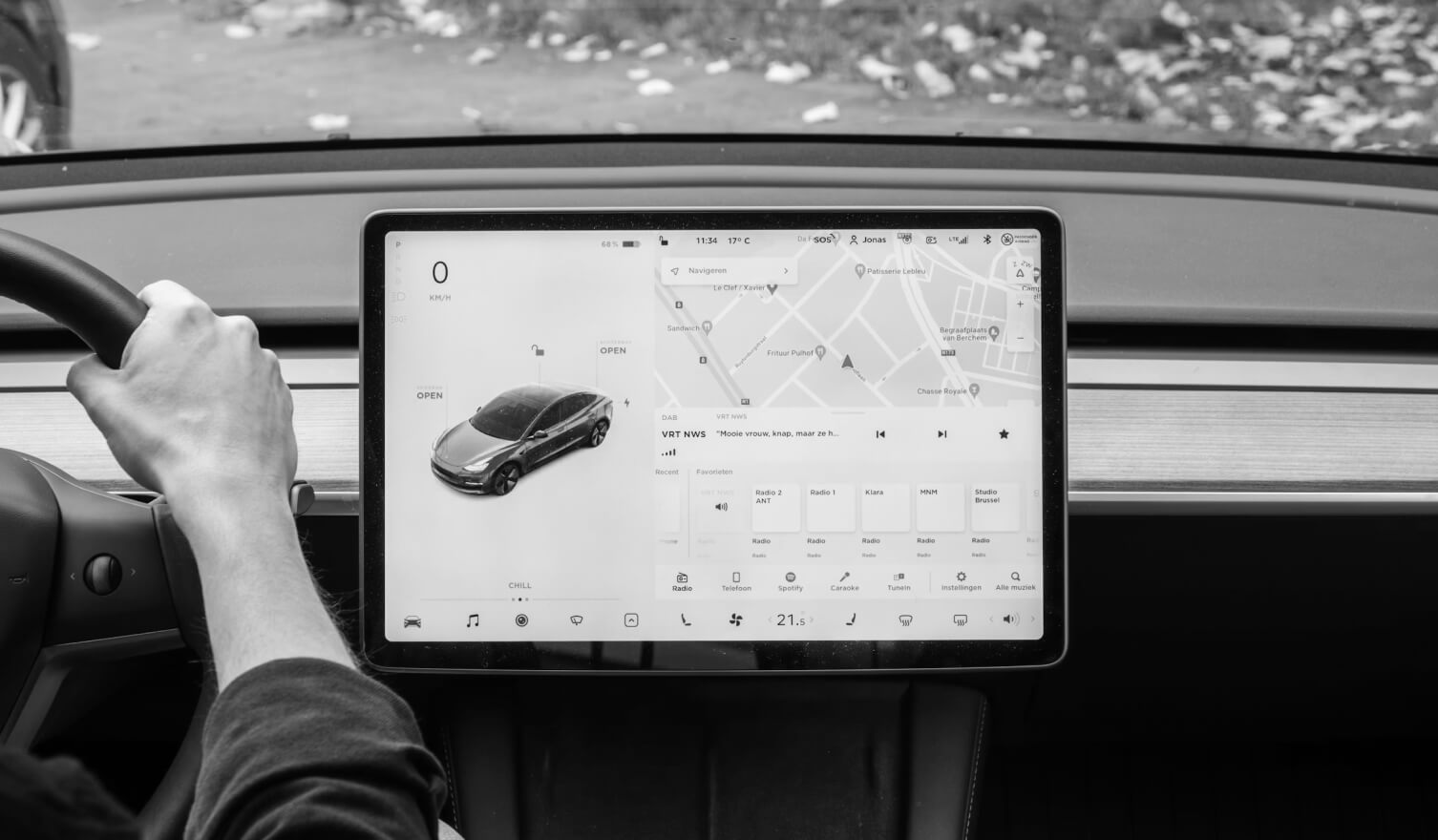
The shift to software-defined vehicles is compressing development cycles, multiplying hardware variants, and demanding hardware flexibility that traditional BSP development can't deliver. Embedd makes the BSP layer keep pace with the architecture.
Why Automotive Teams Use Embedd
SDV architectures demand hardware flexibility at the software layer. The move to zonal and centralized architectures means consolidating ECUs, adopting new SoCs, and integrating unfamiliar peripherals — often mid-program. When every hardware change requires months of BSP rework, the architecture team is constrained by software, not by design. Embedd decouples the hardware model from the OS implementation, so architecture decisions are made on technical merit, not on which MCU already has a working BSP.
Supply chain disruptions force hardware changes you didn't plan for. When a component goes on allocation or end-of-life, the replacement needs a new BSP — under schedule pressure and with no budget for it. Embedd makes unplanned hardware changes survivable: update the Digital Twin for the replacement part, regenerate the drivers, validate. Days, not months. The engineering cost of a forced component swap drops to a fraction of what it would be manually.
OEM timelines don't wait for BSP readiness. When an OEM issues a requirement package for a new commodity, the manual driver development effort eats directly into program schedule. Embedd compresses this to days for driver generation with weeks for target integration — keeping the BSP off the critical path.
Commodity programs reuse more than you think — but not enough. Teams carry over ~80% from prior programs. Embedd makes the remaining 20% faster and cheaper, and makes the 80% more flexible by enabling evaluation of alternative hardware that was previously too expensive to re-develop for. When the BSP cost of switching to a cheaper or better-performing MCU drops by 70–85%, hardware decisions are driven by the product, not by the sunk cost of existing drivers.
Traceability and compliance are built in. Every generated line traces to a specific register definition or action sequence. Generated code supports MISRA-C and AUTOSAR standards. Deterministic generation means byte-for-byte repeatability — certify once, regenerate with confidence.
Relevant Use Cases
New E/E Architecture Evaluation — evaluate candidate SoCs for zonal or centralized architectures without the BSP tax
BSP Migration — respond to supply chain disruptions by regenerating for replacement parts
New Product BSP — accelerate commodity program timelines
OS/RTOS Migration — move between bare metal, AUTOSAR, FreeRTOS, or Zephyr as SDV requirements evolve
Hardware Abstraction Standardisation — consistent driver quality across your ECU portfolio
Automotive-Specific Capabilities
MISRA-C and AUTOSAR-compatible code generation
Deterministic output for functional safety traceability
Support for automotive MCU families: NXP S32, Infineon/Cypress Traveo II, Renesas RH850, and others
Bare metal, AUTOSAR, FreeRTOS, Zephyr, and Linux target support
Full board coverage — MCU subsystems and external peripherals from one methodology