New E/E architecture evaluation
Evaluate new architectures without the BSP tax
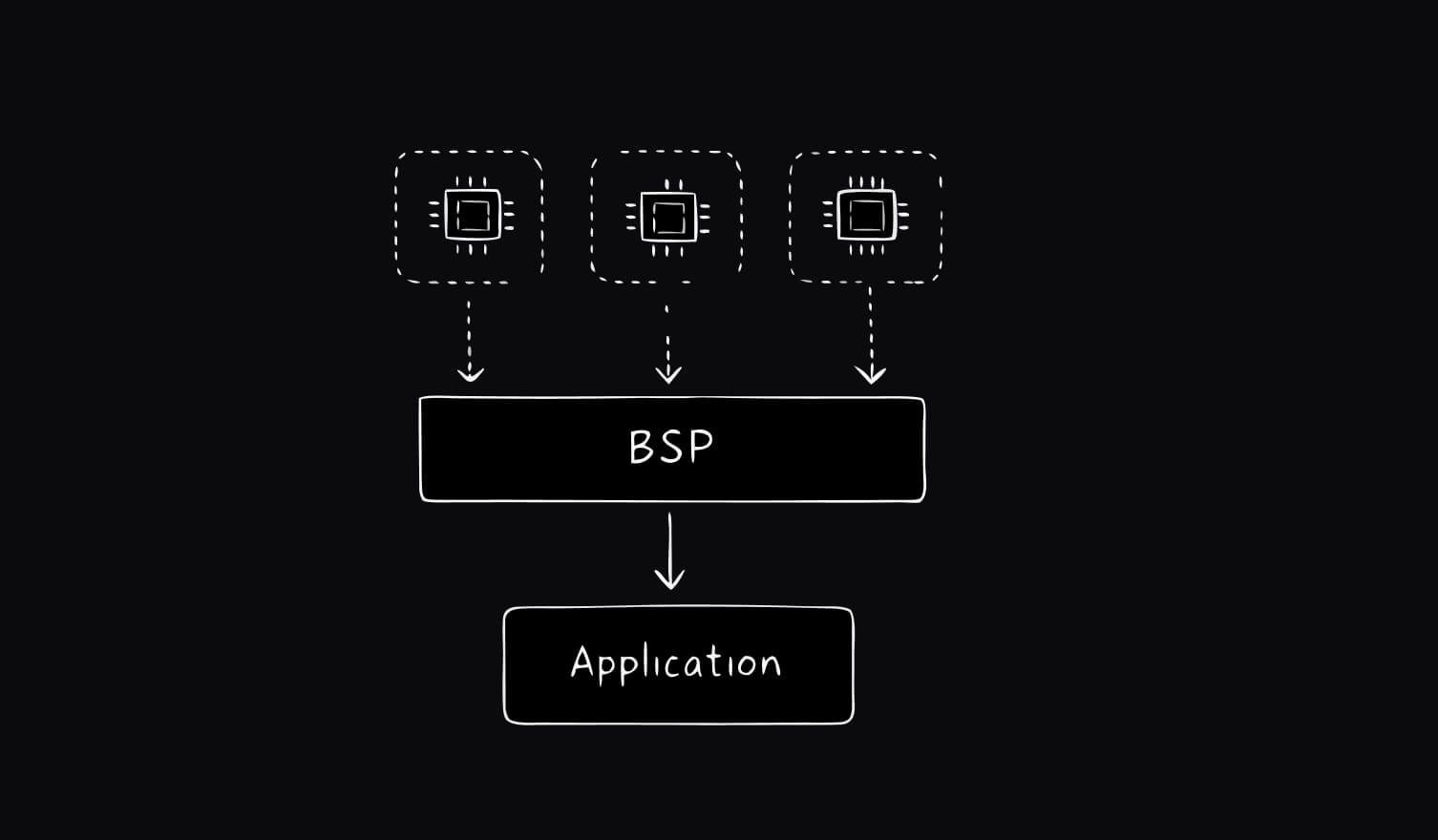
E/E architecture changes mean new MCU/MPUs, new communication stacks, and new peripheral combinations. Embedd removes the BSP development cost as a barrier to evaluating alternatives.
The Problem
When evaluating a new E/E architecture — consolidating ECUs, moving to zonal architectures, adopting new communication protocols — the hardware choices cascade into software. Every candidate MCU or SoC needs at least a basic BSP to evaluate properly. Building throwaway BSPs for architecture exploration is expensive, so teams either limit the options they evaluate or make decisions based on datasheets alone.
How Embedd Solves It
Embedd generates functional BSPs from chip documentation fast enough that architecture evaluation is no longer bottlenecked by software readiness. Evaluate three candidate MCUs with working BSPs instead of choosing one and hoping it works. The Digital Twin for each candidate persists — if a candidate is selected, the BSP is already started, not starting from zero.
What You Get
Functional BSPs for multiple candidate MCU/SoC platforms generated in parallel
Comparable driver architectures across candidates — enabling fair technical evaluation
Reduced risk of architecture lock-in: if requirements change, generating for a different candidate is a regeneration task
Investment preserved: the Digital Twin for the selected platform carries forward into production development
Who This Is For
Architecture teams evaluating next-generation platforms. Engineering leadership making build-vs-buy decisions on hardware where BSP cost is a significant factor.