Legacy hardware modernisation
Clean up legacy drivers without starting over
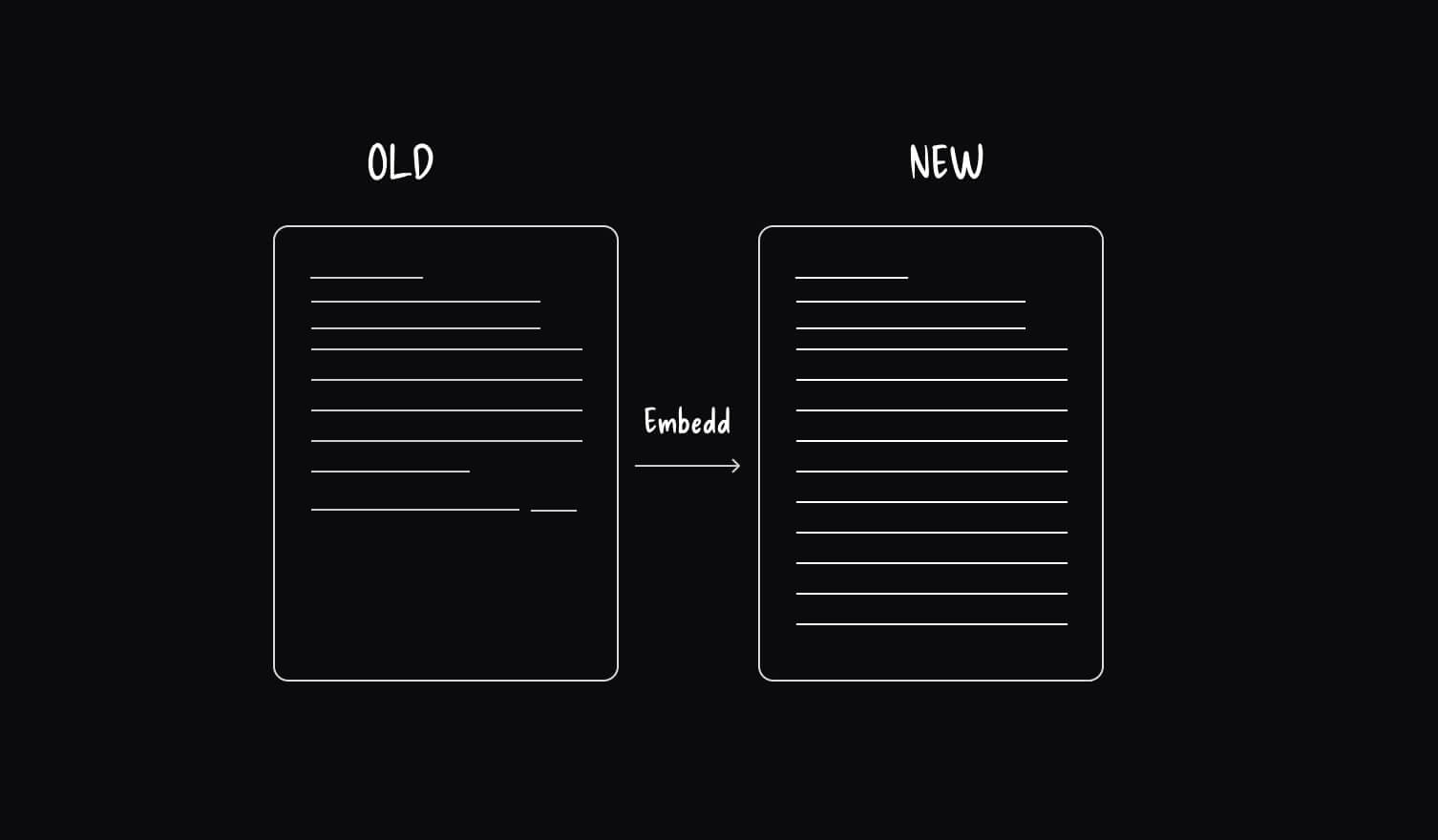
Legacy BSPs accumulate years of ad-hoc patches, undocumented workarounds, and single-engineer knowledge. Embedd lets you model the existing hardware and regenerate a clean, maintainable, standard-compliant driver layer from it.
The Problem
Legacy products run on drivers that have been patched and modified over years — often by engineers who have since left. The code works but nobody fully understands it, it doesn't meet current coding standards, and any modification is high risk. Rewriting from scratch is too expensive and risky. So the legacy BSP persists, accumulating technical debt and blocking modernisation.
How Embedd Solves It
Embedd models the existing hardware into a Digital Twin - capturing register behaviour, peripheral logic, and interface definitions from the original documentation. From this model, Embedd generates a fresh driver layer that implements the same hardware behaviour but in clean, standard-compliant, maintainable code. The legacy knowledge is captured in the model, not buried in the code.
What You Get
New drivers implementing the same hardware behaviour as the legacy BSP
Code generated to current standards (MISRA-C, AUTOSAR, or your internal guidelines)
The hardware knowledge extracted from legacy code and documentation into a maintainable Digital Twin
A foundation for future changes — updates are model changes and regeneration, not more patches on top of patches
Who This Is For
Teams maintaining long-lifecycle products where the original BSP is a liability. Engineering leads who need to modernise without the risk and cost of a ground-up rewrite.